
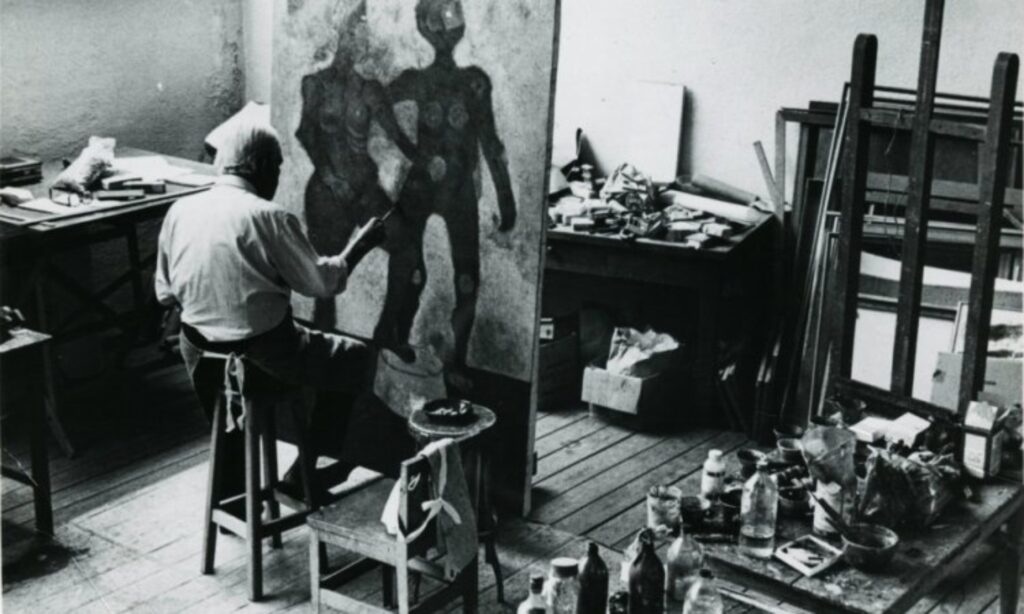
Rufino Tamayo was born in Oaxaca, Mexico in 1899. He is pure Zapotec Indian. An orphan, he emigrates to Mexico City in 1911. After having studied painting at night school, he enters the Academy of Fine Arts in Mexico City in 1917, that he leaves after only a few months to teach himself. Nominated head of the design section of ethnography at the National Museum of Archeology in Mexico City, it is this position in which he will become aware of Mexican art.
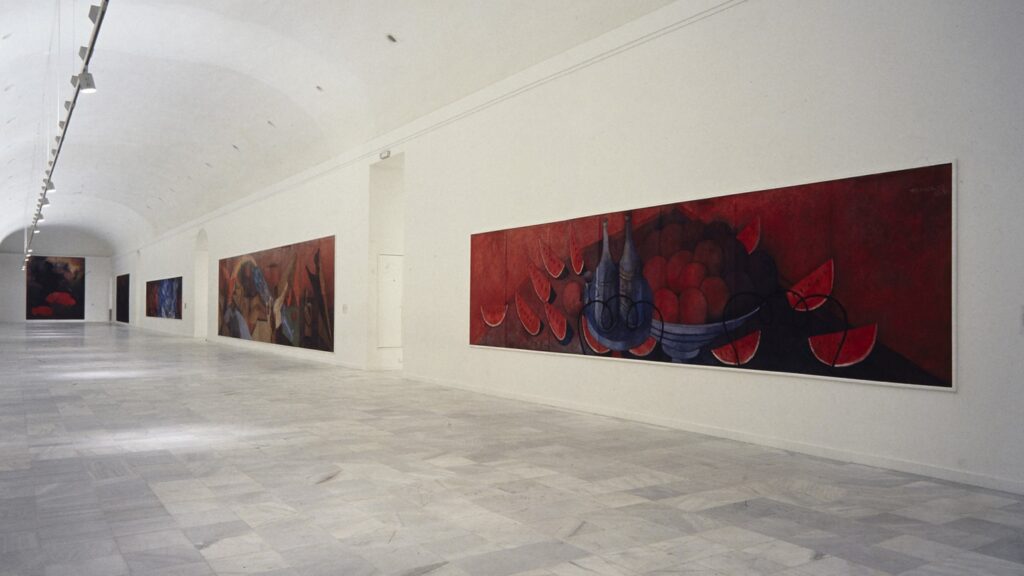
In 1926, Tamayo moves to New York where he will live, off and on, for 20 years. He will take up important teaching posts in painting in his native country as well as in the United States. The artist participates, at the same time, in numerous national and international collective exhibitions. His first two solo exhibitions are organized in 1926 in Mexico City and New York. This will be the debut of numerous artistic events which he will from now on participate in, events that will see his art exhibited in the most well-known museums, Guggenheim Museum of New York, Reine Sofia in Madrid, Oslo, Mexico City, Paris, Tokyo, etc. He will win several very important prizes.
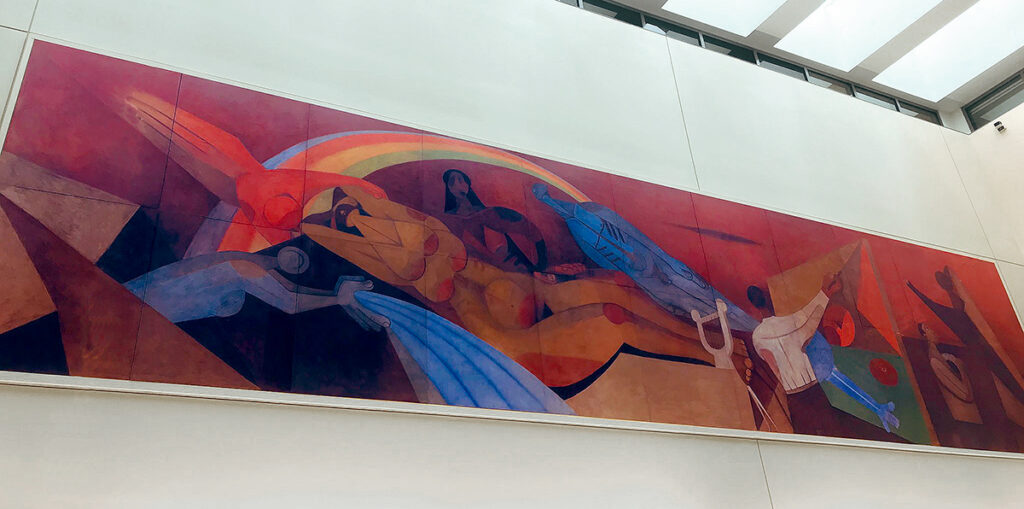
He meets the Mexican painters Frida Kahlo and Diego Rivera who will influence his work. A famous artist, Rufino Tamayo is a muralist who ranked amongst the best – a specific national art – he clearly distinguishing himself from Diego Rivera, Siqueiros or Orozco.
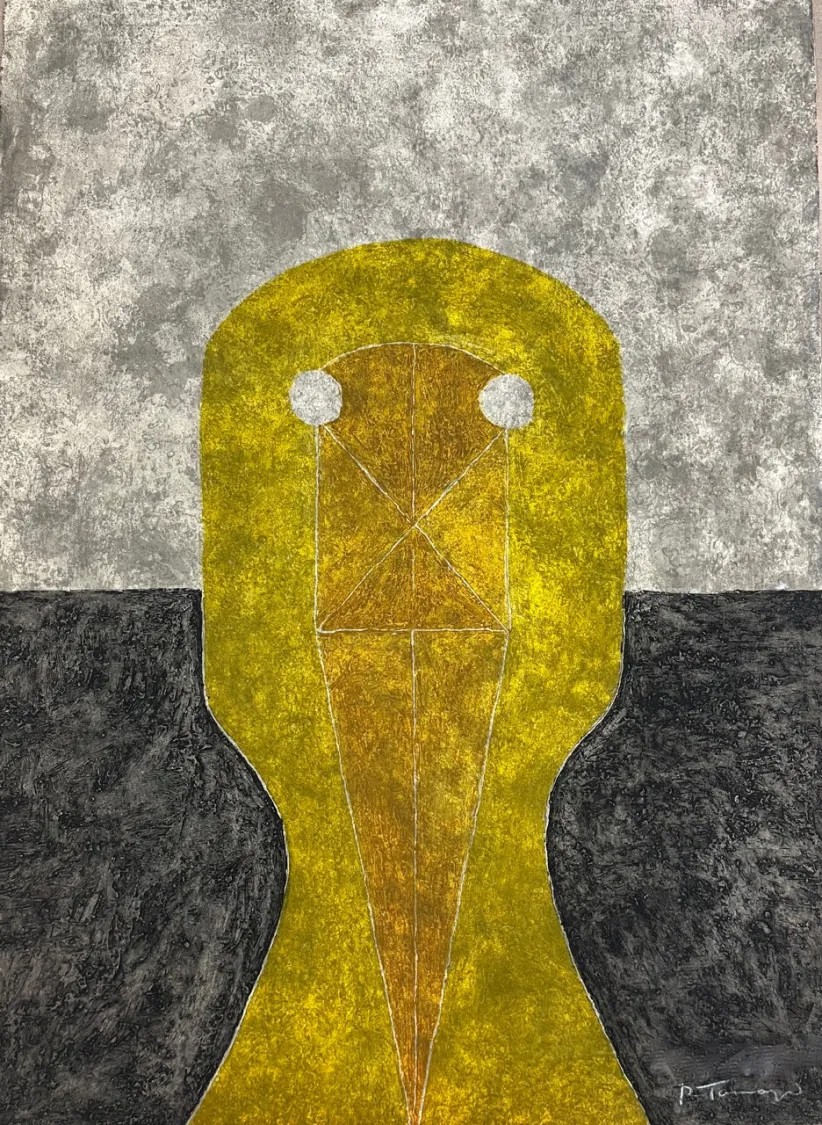
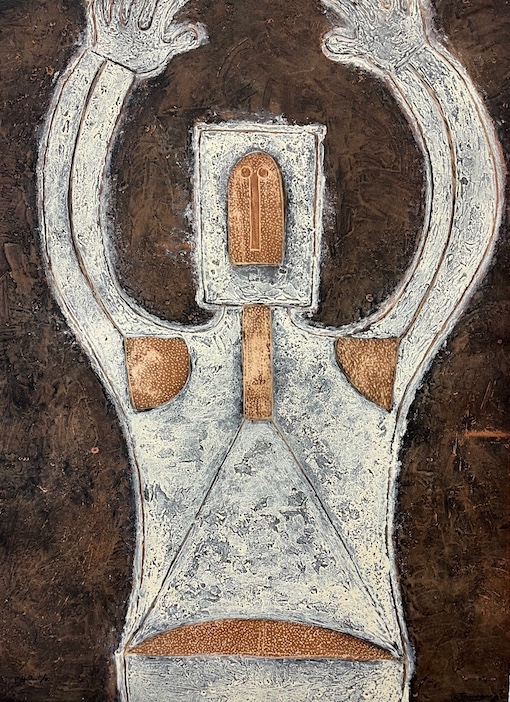
He starts his graphic work in 1925, it is ample: lithographs, engravings, mixographs (where he combines the two previous techniques).
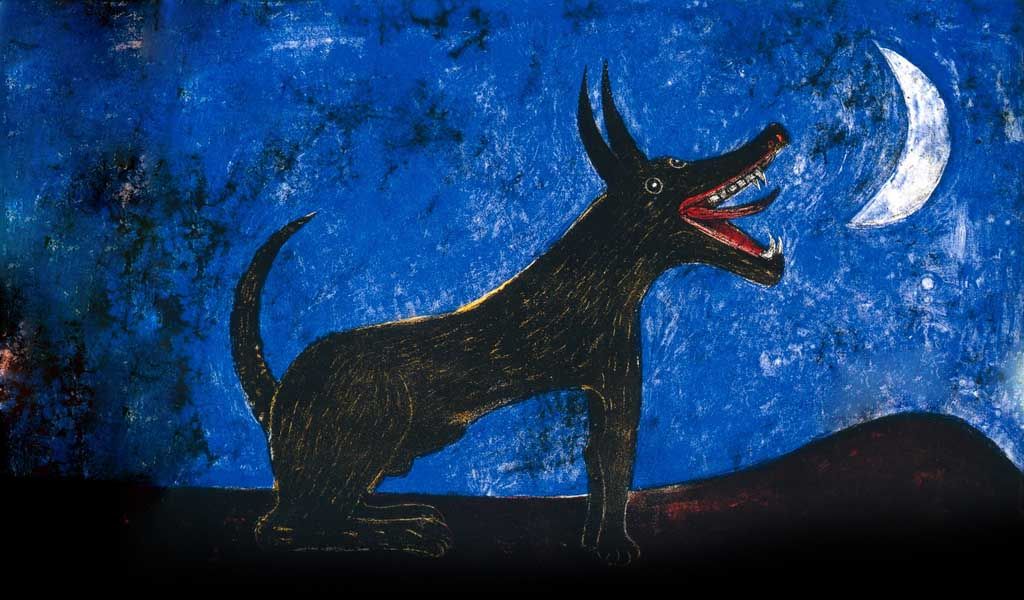
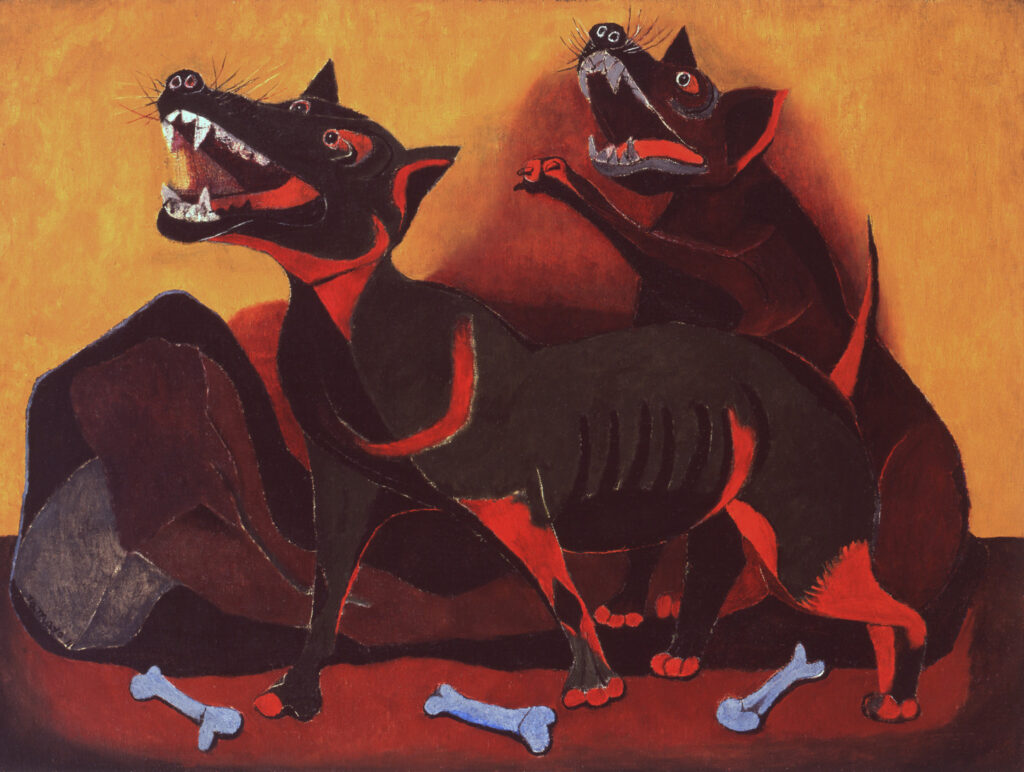
He disappears in 1991, Rufino Tamayo is one of the first Latin-American painters of international dimension. Tamayo worked by integrating pre-Columbian art with popular art of the plastic revolution that took place in Europe at the beginning of the century. After his death, a museum named after him was opened in his native town, grouping together a number of his works as well as some important pre-Columbian works.
Available
Available